
Mixed Use Cash Out Bridge Loan
An investor owned a mixed use property with 4 residential units on the upper floors and 4 retail units on the ground level. The property had appreciat...
Situation
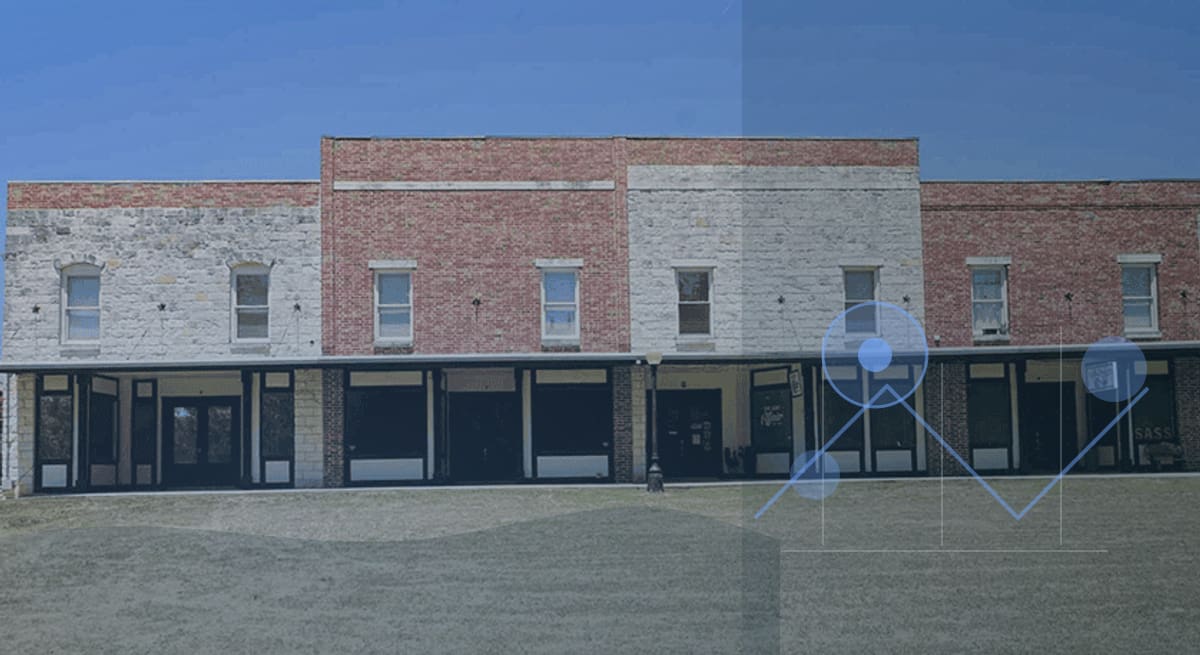
An investor owned a mixed use property with 4 residential units on the upper floors and 4 retail units on the ground level. The property had appreciated substantially since the original purchase five years earlier, driven by neighborhood improvements, rising rents in both the residential and retail components, and low vacancy. All eight units were leased, and the property was generating stable monthly cash flow. The investor wanted to pull equity from the property to fund a separate commercial real estate acquisition without selling the asset or disrupting the existing tenants. The investor's portfolio strategy relied on retaining performing assets while recycling equity into new deals, and this property had significant untapped equity that could be deployed productively.
Challenge
Mixed use properties with small unit counts fall into a tricky financing gap. The property was too small for most institutional commercial loan programs that typically target 10 or more units or larger retail centers. At the same time, the retail component made it ineligible for standard residential refinance products. The blended residential and retail income required a lender comfortable underwriting both asset types within a single property and blending the two income streams into a single valuation. Most banks and credit unions passed on the deal because their underwriting models were built for single use assets. Cash out refinances add another layer of scrutiny because the lender is advancing proceeds above the existing debt balance, requiring confidence in the property's appraised value and the borrower's ability to service the higher loan amount.
Deal Structure
CapitalAx sourced a family office lender that specialized in smaller mixed use assets and had a track record of lending on properties with combined residential and retail components. The $1,500,000 cash out bridge loan was structured as a 12 month interest only facility, giving the borrower time to deploy the capital into the new acquisition and arrange permanent takeout financing on either or both properties. The interest only structure kept the monthly debt service manageable during the transition period, and the family office offered a straightforward prepayment structure that allowed the borrower to refinance into permanent financing at any point during the term without penalty after the first six months.
Solution
CapitalAx presented the deal with individual unit lease summaries for all eight units, historical rent rolls showing consistent occupancy and rent growth, a blended NOI analysis across the residential and retail components, and a clear refinance exit timeline supported by comparable sales and cap rate data in the neighborhood. The package also included the borrower's track record managing the property and a detailed plan for how the cash out proceeds would be deployed. The family office funded based on the quality of the asset, the strength of the in place leases, and the borrower's demonstrated ability to manage mixed use properties.
Outcome
The borrower accessed over $500,000 in equity without selling the property or disturbing any of the existing tenant relationships. The capital was deployed into a new commercial acquisition that closed within 60 days of the bridge loan funding. The investor retained full ownership of the mixed use asset, which continued generating stable monthly cash flow from all eight units. Within six months, the borrower arranged permanent conventional financing to replace the bridge loan, locking in a lower long term rate and extending the amortization, further improving the property's cash on cash return.
Related Loan Programs
Property Type
Location
Tools & Calculators
Commercial Mortgage and Loan Amortization Calculator
Calculate commercial mortgage payments, total interest, and a month by month loan amortization schedule.
Max Loan Calculator
Find out the maximum loan amount your property can support based on income and expenses.
Qualification Checker
Check which commercial loan programs you may qualify for based on your deal profile.