Why Most Lenders Decline Land and How to Get Funded
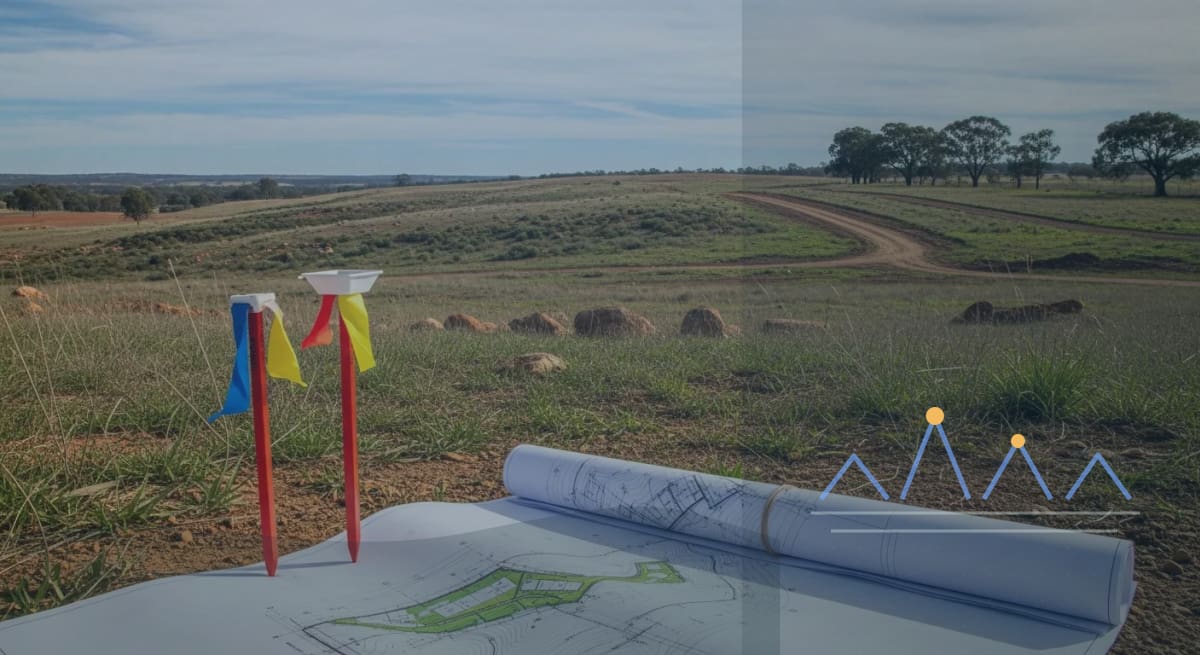
Land loans carry more risk than any other commercial financing category, which is why most conventional lenders avoid them entirely. Equity requirements run 30 50%, terms are shorter, and lenders scrutinize your development experience and exit strategy closely. CapitalAx recently arranged a $9.5M bridge loan for a 15.7 acre parcel through a private lender, a deal that required positioning the site's location fundamentals, the developer's track record, and a clear entitlement timeline. We work with banks, credit unions, and private lenders who specialize in A&D lending and understand the unique risk profile of land deals.
Common Borrower Profiles
- Land developers and builders
- Master planned community developers
- Commercial pad site developers
- Investors acquiring entitled land
- Builders purchasing finished lots
Available Loan Structures
- Acquisition and development (A&D) loans
- Land acquisition with entitlement timeline
- Lot development and infrastructure financing
- Land banking programs
- Seller financed acquisitions with lender takeout
Underwriting Considerations
- Entitlement status and timeline
- Infrastructure and development costs
- Absorption rate and market demand analysis
- Environmental and geotechnical conditions
- Exit strategy clarity and takeout commitment
Common Challenges
- Higher equity requirements (30% to 50% typical)
- Entitlement risk and timeline uncertainty
- Market timing and absorption risk
- Infrastructure cost overruns
- Interest carry during development period
Why CapitalAx for Land Development Deals
Land is the hardest asset to finance because most conventional lenders decline land deals outright. CapitalAx has closed land transactions including a $9.5M bridge loan for 15.7 acres, and maintains relationships with private lenders, family offices, and community banks that specialize in land acquisition and development lending, capital sources that most borrowers would never find on their own.
Related Loan Programs
Explore other property types we finance. Browse all property types.
Tools & Calculators
Deal Feasibility Analyzer
Analyze whether a commercial real estate deal pencils before you commit capital.
Max Loan Calculator
Find out the maximum loan amount your property can support based on income and expenses.
Commercial Mortgage and Loan Amortization Calculator
Calculate commercial mortgage payments, total interest, and a month by month loan amortization schedule.
Construction Interest Reserve Calculator
Size interest reserve from the drawn balance, calculate loan to cost, and create an editable monthly draw schedule.