
Financing Unimproved Land with No Income Stream
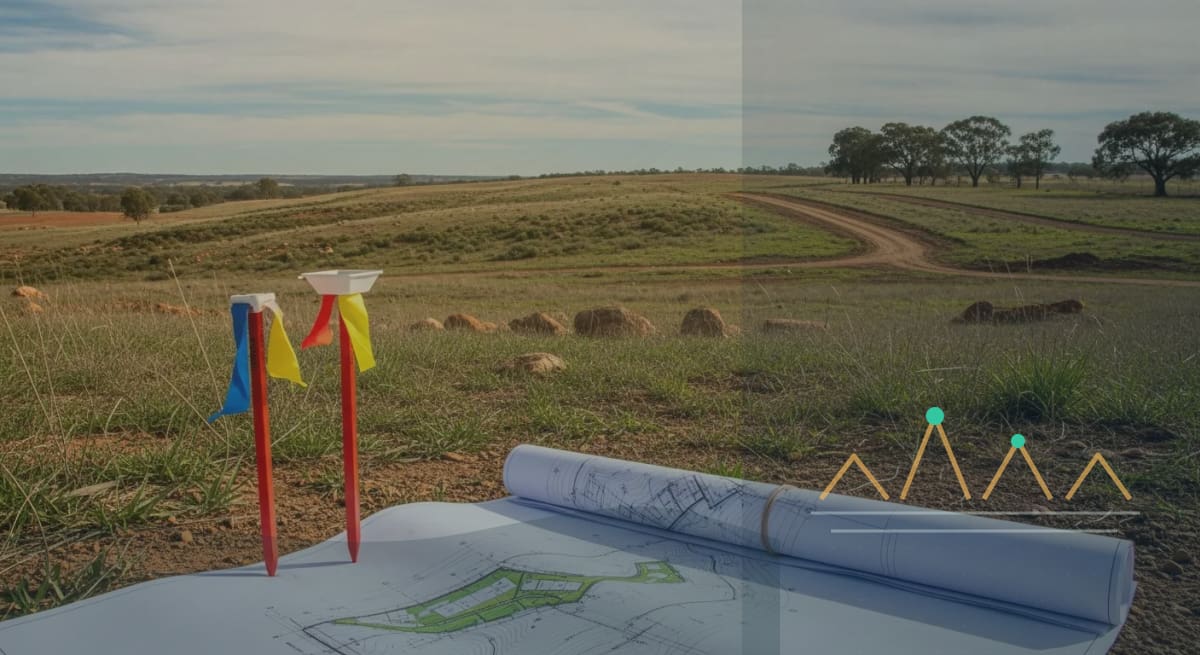
Raw land is the hardest commercial real estate asset to finance. No income, no tenants, no cash flow, just dirt and a plan. Conventional lenders avoid it because there's nothing to underwrite except location, entitlement potential, and the developer's track record. CapitalAx recently closed a $9.5M bridge loan for a 15.7 acre parcel (Parmer Square) through a private lender, beating out competing buyers by moving fast and packaging the deal with comparable land sales, a feasibility study, and the developer's project portfolio. We work with private lenders, family offices, and community banks that specialize in raw land acquisitions, entitled lot purchases, and pre development financing. Equity requirements are higher than improved property (30 50% typical), but for developers who know how to execute, land is where the real upside lives.
Common Borrower Profiles
- Land developers and master plan builders
- Commercial pad site developers
- Residential subdivision developers
- Investors banking entitled land parcels
- Builders purchasing finished lots for near term construction
Available Loan Structures
- Bridge loans for fast close land acquisitions
- Acquisition and development (A&D) loans
- Land banking with structured draws
- Seller financed acquisitions with lender takeout
- Pre development bridge to construction loan
Underwriting Considerations
- Entitlement status is the primary value driver
- Developer track record heavily weighted
- Environmental and geotechnical conditions assessed
- Infrastructure costs factored into total project basis
- Exit strategy must be clearly defined and realistic
Common Challenges
- Most conventional lenders decline raw land deals outright
- Higher equity requirements (30% to 50% typical)
- Entitlement timeline risk and municipal uncertainty
- No income stream to service debt during hold period
- Market timing risk between acquisition and development
Why CapitalAx for Raw Land Deals
Most conventional lenders decline raw land deals outright because there is no income to underwrite. CapitalAx specializes in connecting land buyers with private lenders, family offices, and community banks that have dedicated land lending programs. Our recent $9.5M raw land bridge closing for a 15.7 acre parcel demonstrates our ability to structure and place deals that most brokers wouldn't know how to capitalize.
Related Loan Programs
Explore other property types we finance. Browse all property types.
Tools & Calculators
Commercial Land Value and Acquisition Calculator
Calculate land price per acre, usable acreage, total project cost, leverage, and required equity.
Construction Interest Reserve Calculator
Size interest reserve from the drawn balance, calculate loan to cost, and create an editable monthly draw schedule.
Capital Stack Calculator
Combine senior debt, mezzanine financing, and preferred equity to calculate blended capital cost and visualize the stack.
Deal Feasibility Analyzer
Analyze whether a commercial real estate deal pencils before you commit capital.