
Three Business Models, One Asset Class, Very Different Loans
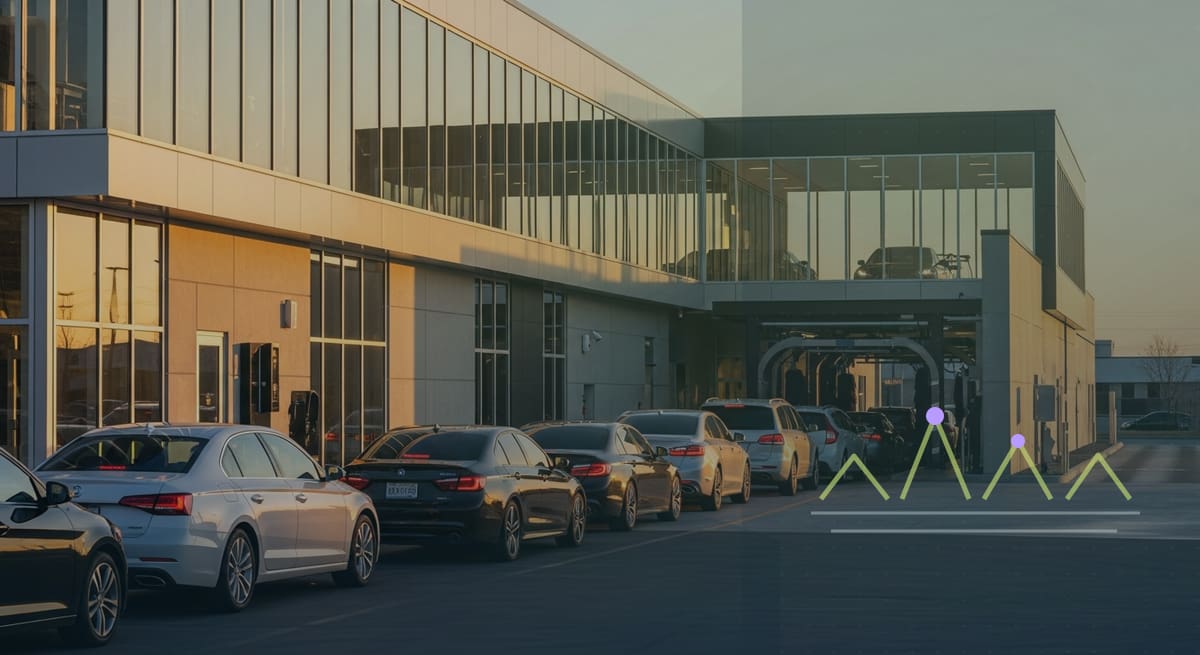
Modern car wash lending is a business model underwrite. An express exterior tunnel runs high throughput with minimal labor, a full service operation trades throughput for labor heavy ticket size, and self serve or in bay automatic sites run as semi passive machine income. Lenders read the same revenue number differently depending on which model produced it. The story lenders care about most is membership: unlimited monthly wash plans convert weather dependent retail traffic into recurring revenue, and a strong membership base changes both the underwrite and the valuation. Structurally, the SBA classifies car washes as special purpose properties, so the down payment rules split by program: 7(a) requires a minimum 10% equity injection for changes of ownership, while 504 requires at least 15% for a special purpose property, and at least 20% when the borrower is also a new business. Valuation is a going concern exercise across three components, the real estate, the heavy equipment that depreciates, and the goodwill in the membership base and location. Deals range from single express tunnels to multi site roll ups of independent locations.
Car Wash Financing Calculators
SBA Loan Calculator
Estimate SBA 7(a) and 504 loan payments from your loan amount, interest rate, and term.
Commercial Mortgage and Loan Amortization Calculator
Calculate commercial mortgage payments, total interest, and a month by month loan amortization schedule.
Deal Feasibility Analyzer
Analyze whether a commercial real estate deal pencils before you commit capital.
Qualification Checker
Check which commercial loan programs you may qualify for based on your deal profile.
Common Borrower Profiles
- First tunnel operators entering express exterior, where SBA programs fund the land, building, and equipment in one structure
- Multi site operators scaling across markets and refinancing early sites to fund the next ones
- Converters taking in bay automatic or full service sites to the express model, with the capex and downtime that carries
- Franchise operators building under a brand's site and equipment standards
- Roll up acquirers buying independent locations where membership systems and revenue management are the value add
Available Loan Structures
- SBA 504 for real estate and wash equipment together. The structure pairs a bank first lien with a CDC debenture that carries a long term fixed rate. Because car washes are special purpose properties, the borrower contribution is at least 15%, and at least 20% when the buyer is also a new business.
- SBA 7(a) for acquisitions and working capital. One loan can fund the site, equipment, goodwill, and operating cash, with a $5 million cap, real estate amortization up to 25 years, and a minimum 10% equity injection for a complete change of ownership.
- Conventional bank loans for stabilized sites, generally 65% to 75% LTV with coverage requirements banks set against the membership base and operating history rather than the real estate alone.
- Equipment financing for tunnel conveyors, blowers, dryers, and water reclaim systems, with terms matched to the equipment's useful life rather than the real estate's.
- Bridge and construction financing for express conversions and ground up tunnels, where the lender funds through the build and ramp before permanent debt takes out the project.
- Every car wash deal is underwritten on its own merits. The figures above reflect program rules and where car wash financing generally prices. Actual structure, leverage, and terms depend on the site's business model, membership base, equipment condition, trade area, and the specific lender.
Underwriting Considerations
- The business model sets the underwrite before any number does. Express tunnels are throughput machines where labor stays flat as volume grows, full service sites carry higher tickets but a payroll that scales with every car, and in bay automatics run as machine income with low ceilings. Two sites with identical revenue can underwrite very differently because lenders price the durability and scalability of how that revenue is produced.
- Lenders size your membership base differently than your retail washes. Retail volume moves with weather, gas prices, and season, so lenders discount it as variable income. An unlimited plan membership base is contracted monthly revenue, and lenders underwrite it closer to the way they read lease income: active member count, monthly churn, revenue per member, and the share of total revenue that is recurring. A site where memberships carry the majority of revenue can support debt that the same site on retail volume alone could not.
- Churn and penetration are the quality tests behind the membership number. A large member count with high monthly churn is marketing spend wearing a recurring revenue costume, while a stable base with low churn and steady revenue per member is the closest thing this asset class has to credit tenancy. Lenders ask for membership history over time, not a snapshot.
- Valuation is a going concern split. The land and building hold long term value, the tunnel equipment is a large share of project cost that depreciates toward replacement, and the goodwill lives in the membership base, brand, and location. Appraisals allocate the components separately, and the allocation drives loan term and collateral coverage.
- Site economics still gate everything. Traffic counts, visibility, ingress and egress, and competing wash supply in the trade area set the throughput ceiling, and water reclaim efficiency and utility costs shape the margin underneath it.
- Environmental review is lighter here than buyers expect, and that is a selling point. Under SBA SOP 50 10 8, a car wash only facility gets the lightest environmental starting point offered to its industry group, a Transaction Screen, escalating to a Phase I assessment only if the screening professional flags something. The line to know: add fuel pumps and the deal crosses into the SBA's gas station environmental protocol, and add service pits or in ground lifts and it moves onto the service center path. A buyer weighing a fuel plus wash or lube plus wash site should price that difference in early.
- Every car wash deal is underwritten on its own merits. The figures above reflect program rules and where car wash financing generally prices. Actual structure, leverage, and terms depend on the site's business model, membership base, equipment condition, trade area, and the specific lender.
Common Challenges
- An oversupplied trade area. Express tunnels cluster fast in growth corridors, and a traffic count miss or a new competitor splitting the same commuter flow undercuts the throughput assumptions the loan was sized on.
- Equipment obsolescence without reserves. Conveyors, dryers, and reclaim systems run toward replacement on a schedule, and lenders discount sites where no replacement reserve backs the equipment share of the value.
- Membership churn eroding the base the loan was sized on. Recurring revenue is only as durable as retention, and a deteriorating churn curve turns contracted income back into weather dependent volume.
- Express conversion capex overruns. Taking a full service or in bay site to express means tunnel work, site reconfiguration, and downtime, and conversions that run over budget mid build are hard to refinance until throughput proves out.
- Weather driven swings for low membership sites. A site that lives on retail volume carries the full seasonality of the business, which is exactly the risk a membership base exists to remove.
Why CapitalAx for Car Wash Deals
Car washes fall in an awkward gap: too equipment heavy for many real estate lenders and too property driven for pure equipment financers. Our network of 350+ lenders includes the SBA 504 and 7(a) desks that fund express tunnels regularly, banks that understand membership economics, equipment lenders for the tunnel itself, and private capital for multi site roll ups. We present the deal the way those desks read it, the recurring revenue share, churn history, throughput, and the real estate versus equipment split, so the lender can size both sides in one structure.
Explore other property types we finance. Browse all property types.