Financing Owner Operated Childcare Businesses
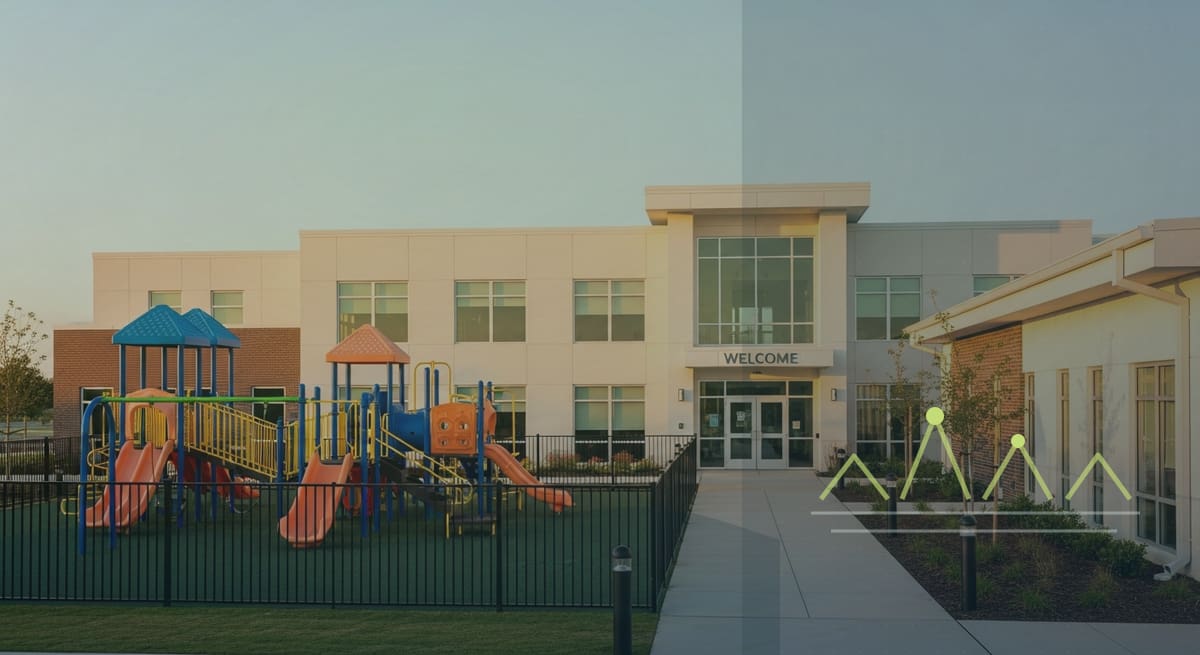
Childcare centers blend a real estate asset with a licensed, staff intensive business, and lenders underwrite both sides. Demand is durable because working parents need care regardless of the economy, and many markets have long waitlists. The complications are regulatory: state licensing caps how many children a center can enroll based on square footage, staff to child ratios, and safety requirements, so licensed capacity directly sets the revenue ceiling. CapitalAx works mostly with SBA 504 and 7(a) lenders here, because childcare is a classic owner operated business that SBA was designed to fund. We also work with conventional banks and private capital for larger operators and multi site chains. Lenders look at enrollment versus licensed capacity, tuition rates, staff retention, accreditation, and the operator's experience. Deals include buying a first center, purchasing the building a center already leases, acquiring an existing operation with enrollment in place, and building or expanding to add classrooms and capacity.
Common Borrower Profiles
- First time childcare center owner operators
- Existing operators buying their leased building
- Multi site childcare and preschool operators
- Franchise childcare and learning center owners
- Operators acquiring an established center with enrollment
Available Loan Structures
- SBA 7(a) for acquisition and working capital
- SBA 504 for owner occupied childcare real estate
- Conventional bank loans for established operators
- Bridge financing for expansion or repositioning
- Construction loans for new centers and classroom additions
Underwriting Considerations
- Enrollment relative to licensed capacity
- State licensing status and ratio compliance
- Tuition rates and revenue per child
- Staff retention and teacher to child ratios
- Operator experience and accreditation
Common Challenges
- Licensed capacity caps the revenue ceiling
- Staffing shortages and turnover pressure
- Regulatory and safety compliance costs
- Enrollment sensitivity to local employment
- Specialized build out for classrooms and play areas
Why CapitalAx for Daycare Center Deals
Childcare centers mix real estate with a licensed, staff heavy business, and not every bank knows how to underwrite that. CapitalAx works with SBA 504 and 7(a) lenders that fund childcare regularly, plus conventional and private capital for multi site operators. We know how to present enrollment against licensed capacity, tuition, staffing, and accreditation so lenders see a durable, demand backed business rather than an unfamiliar special use risk.
Related Loan Programs
Explore other property types we finance. Browse all property types.
Markets We Serve
Tools & Calculators
Property Financing Stress Test
Compare NOI, DSCR and supportable debt under changes in collected rent, expenses and borrowing rate.
Shopping Center Underwriting Calculator
Estimate tenant income, NOI, value and debt service coverage while keeping leasing costs separate.
Commercial Mortgage and Loan Amortization Calculator
Calculate commercial mortgage payments, total interest, and a month by month loan amortization schedule.
Commercial Real Estate Cap Rate Calculator
Calculate commercial real estate cap rate from NOI and property value to evaluate investment returns.