
Outdoor Hospitality as an Emerging Lender Category
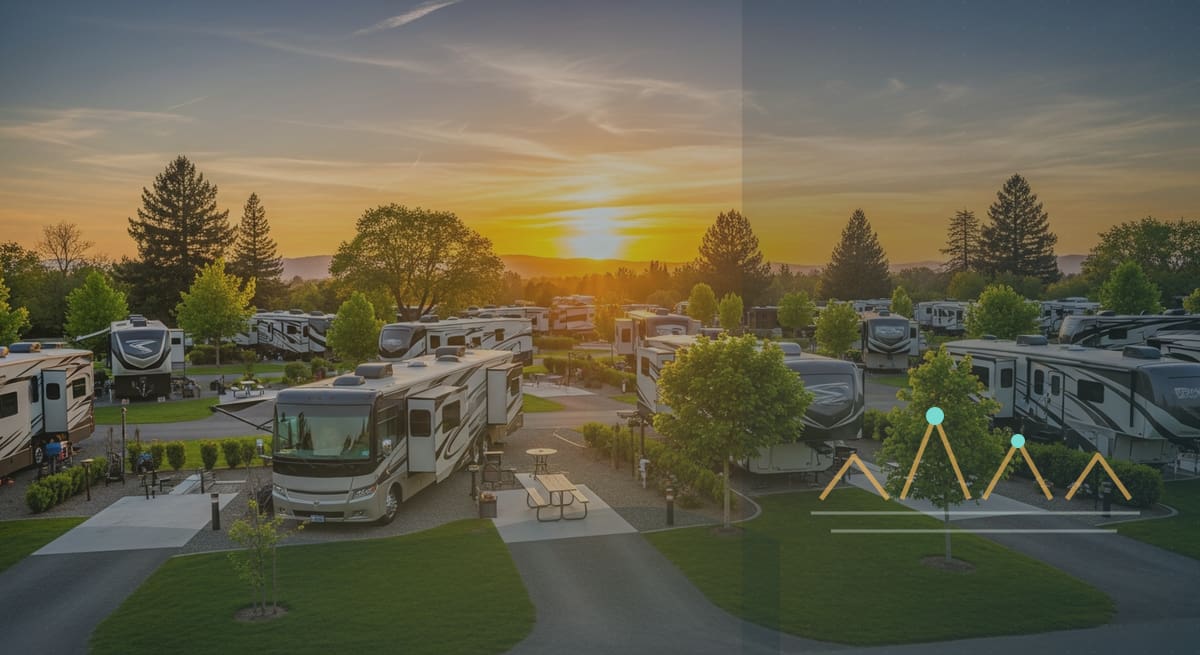
RV parks and campgrounds sit at the crossroads of real estate and hospitality, and the sector has grown fast as outdoor travel and remote work push demand higher. The economics are attractive: low tenant improvement costs, diversified revenue across nightly, weekly, monthly, and annual pads, plus add ons like stores, laundry, and activities. But the lender pool is still developing, and many banks do not know how to underwrite seasonal, transient income. CapitalAx works with lenders who specialize in outdoor hospitality, along with SBA lenders for owner operators and private capital for value add and development. Underwriting focuses on the mix of transient versus long term pads, occupancy and seasonality, utility infrastructure, and amenities that drive rate and length of stay. Deals range from small rural campgrounds to resort style RV destinations with hundreds of sites, cabins, and glamping units. Parks with full hookups, strong online reviews, and a professional reservation system reach the most competitive terms.
Common Borrower Profiles
- RV park and campground investors
- First time owner operators entering outdoor hospitality
- Operators expanding or upgrading existing parks
- Developers building new RV resorts and glamping sites
- Portfolio operators consolidating campgrounds
Available Loan Structures
- Conventional bank loans for stabilized parks
- SBA 7(a) and 504 for owner operated parks
- Bridge financing for value add and repositioning
- Construction loans for new development and expansion
- Private capital for transitional or seasonal assets
Underwriting Considerations
- Transient versus long term pad mix
- Occupancy patterns and seasonality
- Utility infrastructure and full hookup site count
- Amenities driving rate and length of stay
- Online reviews and reservation platform quality
Common Challenges
- Seasonal revenue swings complicating cash flow
- Limited pool of lenders comfortable with the asset
- Infrastructure and utility upgrade costs
- Transient income perceived as less stable than leases
- Zoning and permitting for expansion or new sites
Why CapitalAx for RV Park Deals
Outdoor hospitality is growing faster than the lender pool that serves it, so many banks still do not know how to value seasonal, transient income. CapitalAx works with lenders who specialize in RV parks and campgrounds, plus SBA sources for owner operators and private capital for value add and development. We package pad mix, seasonality, infrastructure, and amenity revenue so lenders see a stable business rather than an unfamiliar niche.
Related Loan Programs
Explore other property types we finance. Browse all property types.
Markets We Serve
Tools & Calculators
RV Park Underwriting Calculator
Estimate revenue, NOI, value per site, and maximum RV park loan proceeds.
Deal Feasibility Analyzer
Analyze whether a commercial real estate deal pencils before you commit capital.
DSCR Calculator
Calculate debt service coverage ratio to see if your property qualifies for DSCR financing.
Commercial Mortgage and Loan Amortization Calculator
Calculate commercial mortgage payments, total interest, and a month by month loan amortization schedule.