
Financing the Backbone of E Commerce Logistics
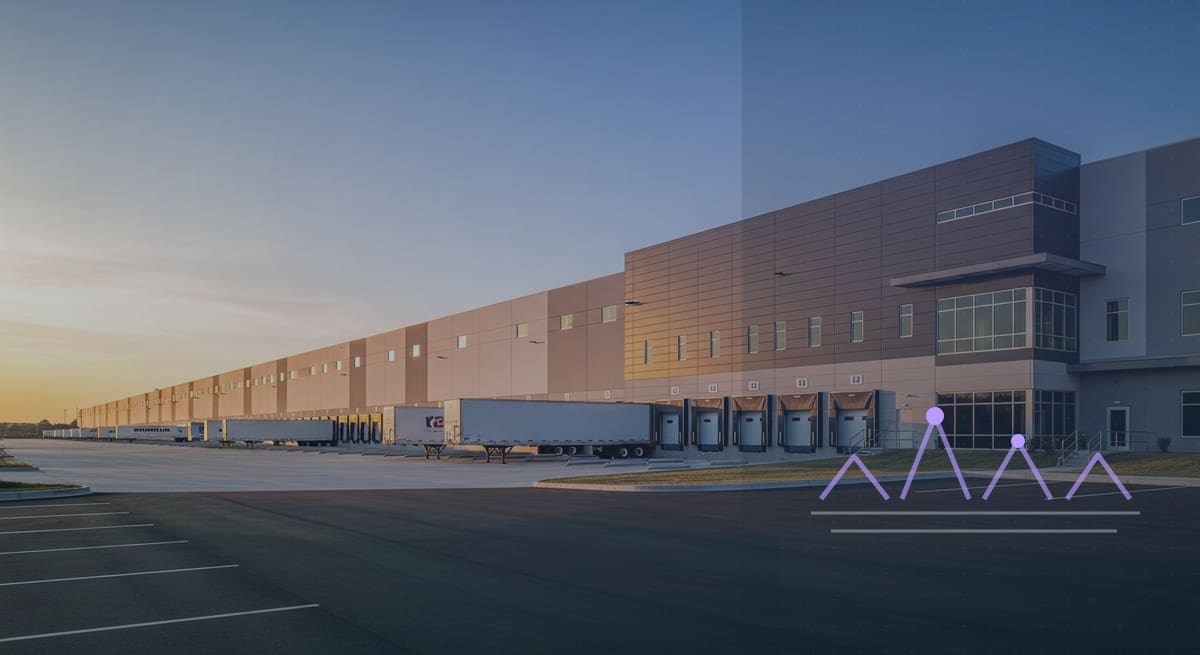
Warehouse and distribution space is one of the strongest property types in commercial real estate, driven by e commerce fulfillment, supply chain reshuffling, and last mile delivery. Low vacancy in most major markets keeps lenders interested. What they underwrite comes down to functional quality: clear height, dock high and grade level doors, column spacing, truck court depth, and how close the building sits to highways and population centers. CapitalAx finances warehouse deals for owner users and investors through SBA 504 for owner occupied buildings, conventional and CMBS for stabilized assets, and bridge capital for value add or lease up plays. Product ranges from small flex industrial suites around 5,000 square feet to bulk distribution centers over 500,000 square feet, and the financing shifts with the size and tenant profile. Last mile buildings in infill urban locations command premium rents and the most competitive terms, while older low clearance warehouses may need lenders who understand functional obsolescence and repositioning.
Common Borrower Profiles
- Owner users purchasing warehouse space
- Warehouse and distribution investors
- Logistics and third party fulfillment companies
- Flex industrial and small bay investors
- Developers building last mile and bulk distribution
Available Loan Structures
- SBA 504 for owner occupied warehouse space
- Conventional bank loans for stabilized warehouses
- CMBS for larger stabilized distribution assets
- Bridge loans for value add and lease up
- Construction financing for spec and build to suit
Underwriting Considerations
- Clear height, dock doors, and column spacing
- Truck court depth and trailer parking
- Location relative to highways and population
- Tenant credit and lease term for leased assets
- Market vacancy and absorption trends
Common Challenges
- Functional obsolescence in older low clearance space
- Rising construction costs for new development
- Tenant concentration in single tenant buildings
- Infrastructure demands of modern logistics tenants
- Rate sensitivity on cap rates for stabilized deals
Why CapitalAx for Warehouse Deals
Warehouse is one of the most competitive lending markets in commercial real estate, which means the right advisor can find sharper terms. CapitalAx finances owner users through SBA 504 and connects investors with conventional, CMBS, and bridge lenders that understand clear height, dock configuration, and location driven demand. From small flex suites to bulk distribution centers, we match each deal to lenders that know how to value functional logistics space.
Related Loan Programs
Explore other property types we finance. Browse all property types.
Markets We Serve
Tools & Calculators
Commercial Mortgage and Loan Amortization Calculator
Calculate commercial mortgage payments, total interest, and a month by month loan amortization schedule.
Construction Interest Reserve Calculator
Size interest reserve from the drawn balance, calculate loan to cost, and create an editable monthly draw schedule.
Hotel Underwriting Calculator
Convert ADR, occupancy, and RevPAR into hotel revenue, NOI, value, maximum loan proceeds, and equity including a PIP budget.
Self Storage Underwriting Calculator
Estimate revenue, NOI, value per unit, and maximum self storage loan proceeds.